News & insights
News & technical articles
Operating procedures for magnetic particle inspection machines, MT crack case records, maintenance tips and background on flaw detection from the Yuqi team.
12 articles
 Latest
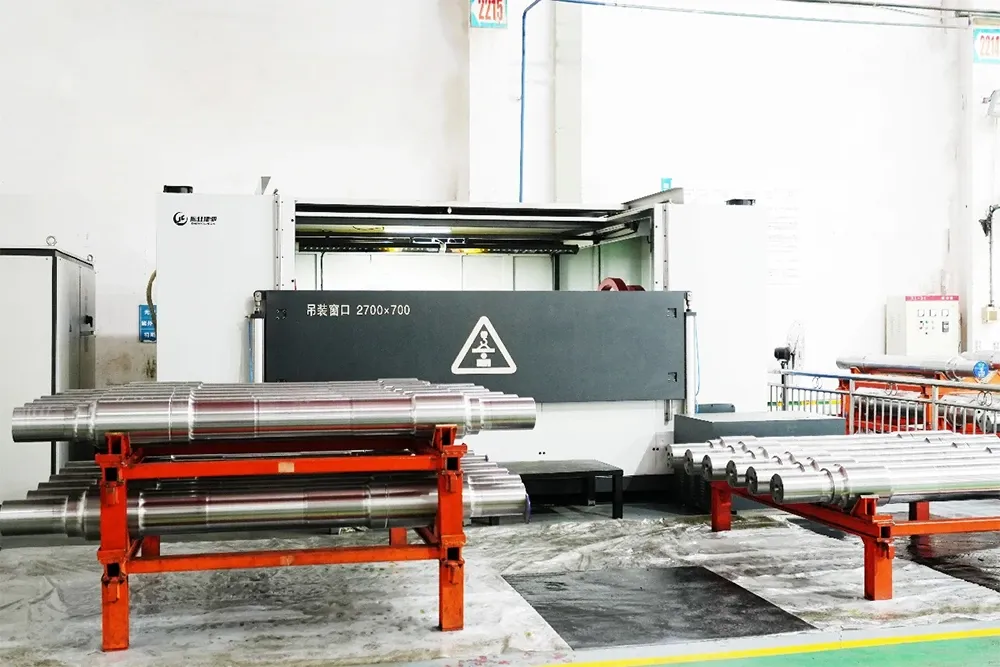
MT Inspection Operating and Maintenance Procedure
Operating and maintenance procedure for stationary magnetic particle inspection machines: safety rules, routine maintenance, MT process flow and records.
Read articleAll news
Magnetic Particle Testing Crack Casebook and Internal Record Guide for Oilfield Components
Four published MT crack records for Christmas tree flanges, wellhead welds and drill-pipe joints, with the fields to capture in internal case records.
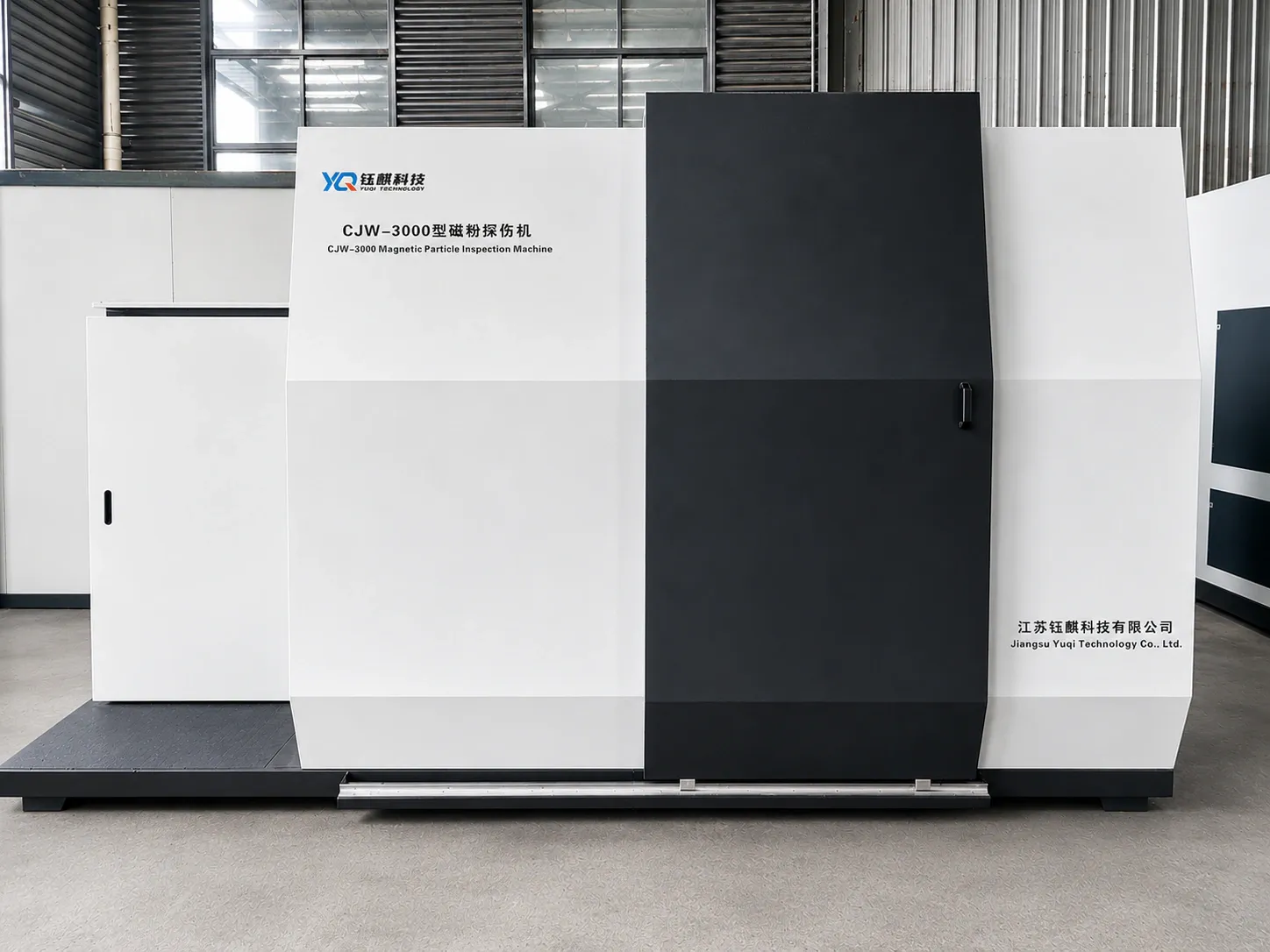
How to Choose the Right Type of Flaw Detector: Factors to Consider
Pick a flaw detector by material, defect location, volume and budget: magnetic particle testing for ferromagnetic parts, UT or X-ray for internal flaws.
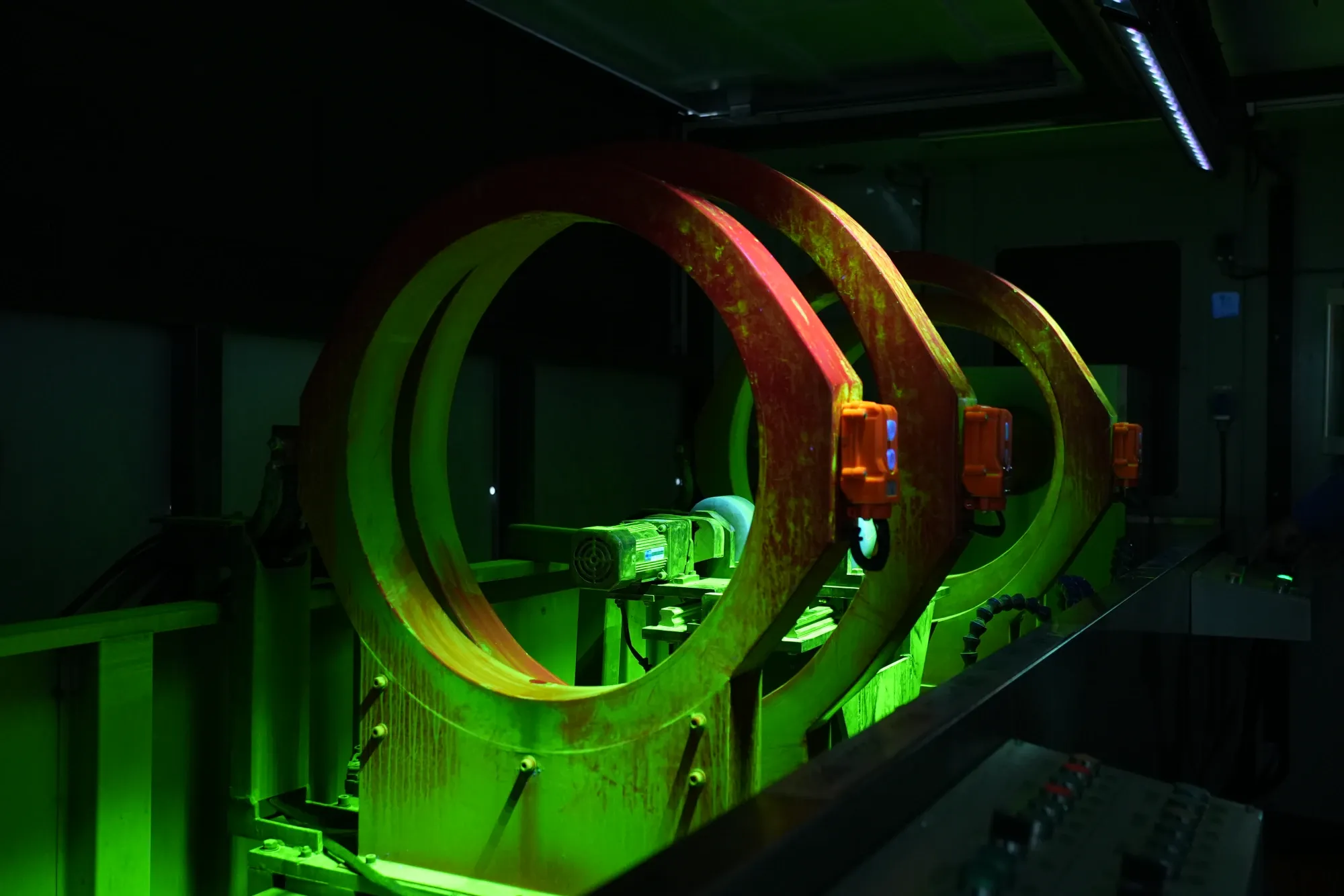
How Can Digital Upgrades Make Flaw Detection More Efficient?
Digital radiography, AI defect recognition, robotic scanning and cloud data management: four ways digital upgrades raise flaw detection efficiency.
What Are the Typical Applications of Flaw Detectors in Aerospace?
Industrial CT for engine blades, phased array ultrasonics for composites, X-ray for skin welds and eddy current for fasteners: flaw detection in aerospace.
How to Ensure Radiation Safety When Operating X-ray and Gamma-ray Flaw Detectors
Radiation safety for X-ray and gamma-ray flaw detectors: limit time, keep distance, use shielding, mark controlled and supervised areas, and monitor dose.
What Are the Key Maintenance Points for a Flaw Detector?
Flaw detector upkeep by daily inspection, weekly maintenance and annual repair: cable insulation, magnetization current calibration and X-ray tube care.
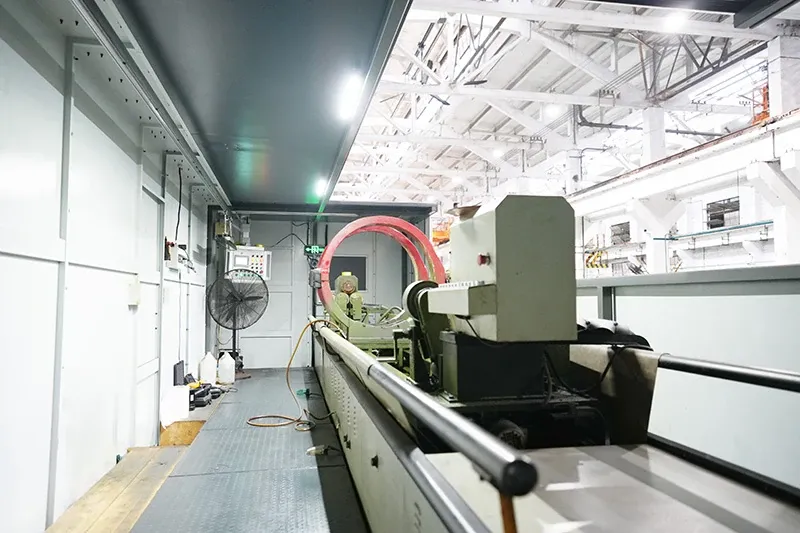
What Are the Applications of Flaw Detectors in New Energy?
How X-ray, ultrasonic and eddy current flaw detectors serve battery manufacturing, photovoltaics and hydrogen storage tanks in the new energy industry.
What Are the Technology Trends in Flaw Detectors?
Flaw detection is moving towards digital radiography, industrial CT, AI defect recognition and combined phased array ultrasonic and eddy current testing.
What Should Flaw Detector Operating Safety Regulations Cover?
Flaw detector safety regulations should cover radiation protection, pre-operation equipment checks and emergency response for X-ray and gamma-ray sources.
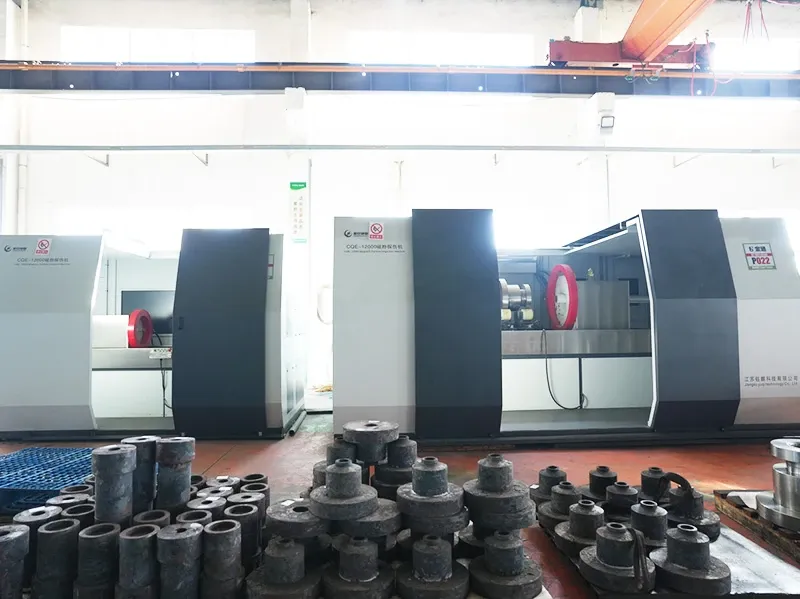
What Are the Main Types of Flaw Detectors and Where Are They Used?
X-ray, gamma-ray, magnetic particle, ultrasonic and eddy current flaw detectors: how each one works and which components and defects it suits best.
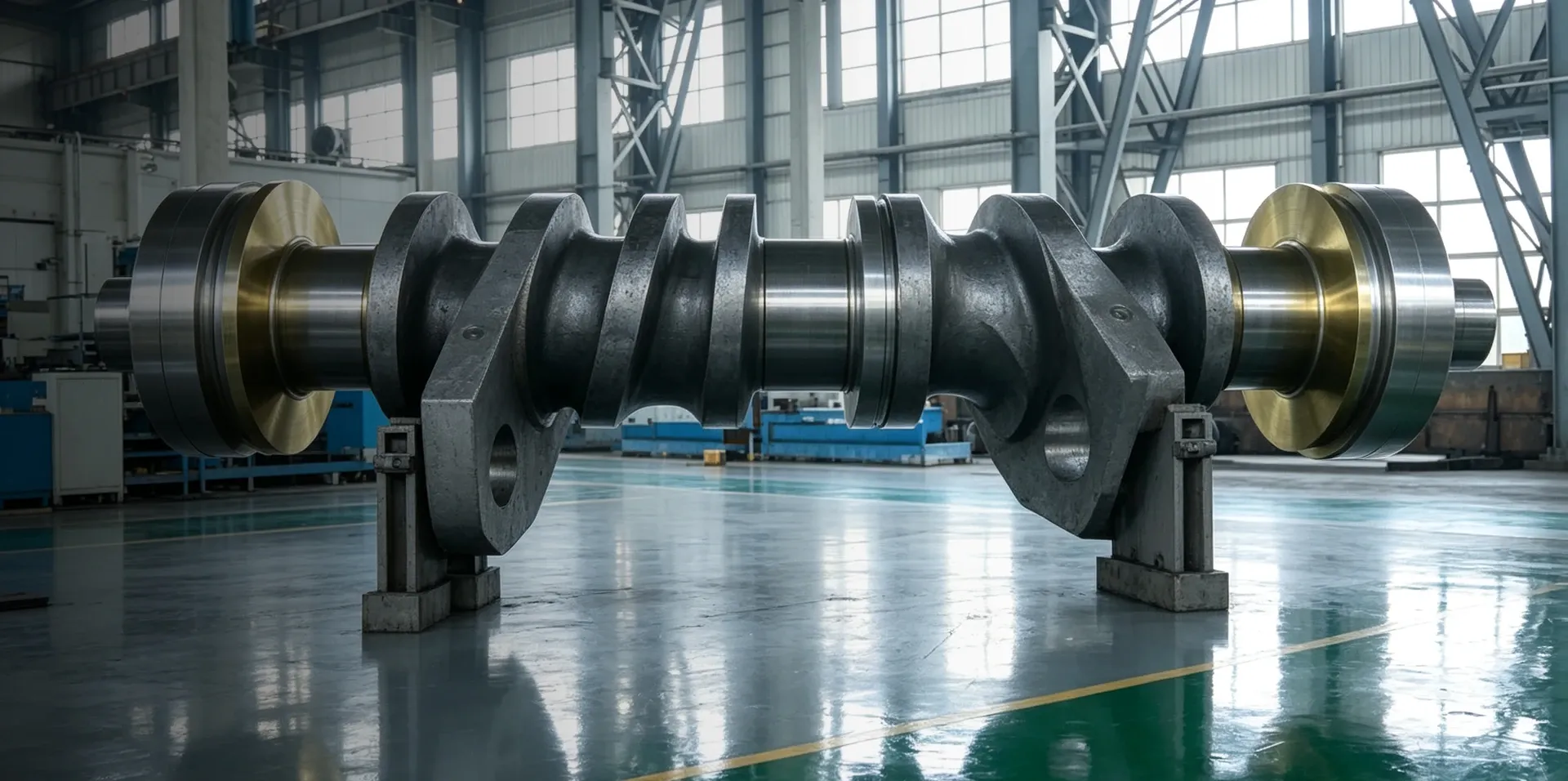
What Is the Core Working Principle of a Flaw Detector?
How flaw detectors find defects: X-ray attenuation imaging shows internal flaws, and magnetic particle inspection uses flux leakage to reveal cracks.